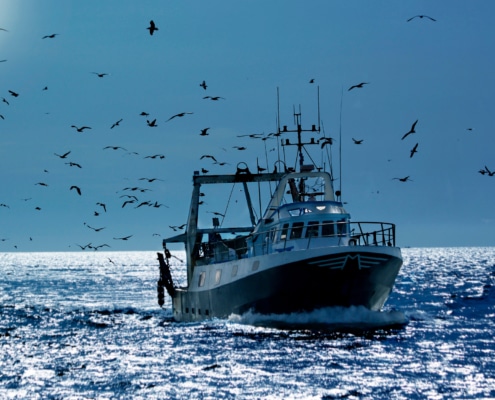
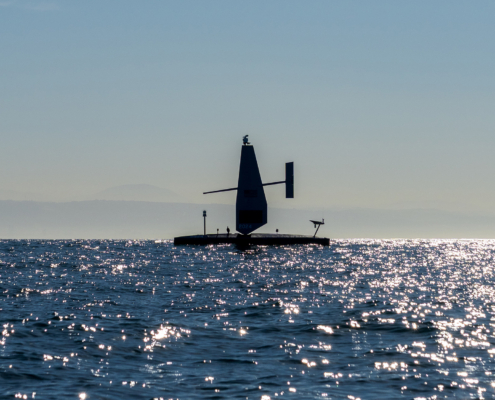
An autonomous surface vessel is an unmanned watercraft capable of operating on the surface without a person physically onboard. That definition covers a wide spectrum from remotely operated platforms where a human operator maintains real-time control, to fully autonomous systems that execute a mission from launch to recovery without human input.
Most real-world deployments sit somewhere between those poles. The vessel may navigate autonomously but require human authorization for certain decisions. It may operate independently within a defined area but maintain a communications link for monitoring and override.
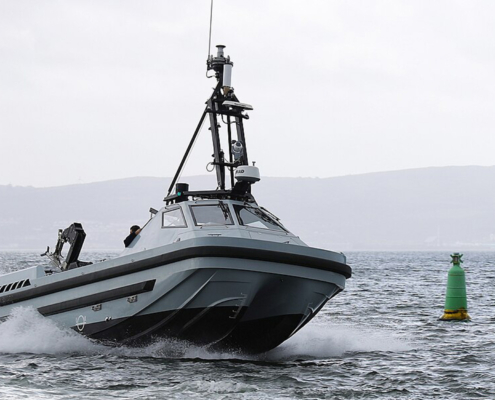
The core components are consistent across the category: a hull and propulsion system, a navigation and control system, a sensor suite appropriate to the mission, and a communications architecture that defines how and by how much the vessel stays connected to an operator or shore station. Each of those components has design implications that matter well before any autonomy software gets involved.



 LPhot Stevie Burke/MOD