• Dms Logo
  • Services
    • Vessel Design
      • Concept Design
    • Naval Architecture
    • Advanced Analysis
    • Marine Systems
    • Civil Engineering
  • Marine Operations
    • Passenger Vessels
    • Work Boats
    • Research Boats
    • Shipyards
    • Marine Startups
    • Waterway Maintenance
    • Autonomous Vessels
  • Portfolio
  • About Us
  • Resources
    • Blog
    • GHS Tutorials
    • FAQs
  • Contact
  • Menu Menu

How a Professional Naval Architect Can Help You Simplify USCG Compliance

Meeting U.S. Coast Guard (USCG) regulations can feel like one of the biggest hurdles in the maritime industry. The rules and requirements can seem endless, not to mention that they vary greatly depending on your vessel’s purpose.

Navigating these requirements without the right support can lead to frustrating delays, unexpected costs, and even failed inspections. That’s where a professional naval architect steps in: providing the expertise needed to plan ahead, avoid costly missteps, and ensure a smooth approval process from start to finish.

Let’s take a closer look at how a naval architect can help simplify compliance for you:

USCG Compliance and Vessel Design: What to Know

USCG vessel regulations aren’t just boxes to check off. They’re a framework designed to keep vessels safe, crews protected, and operations legal. From structural integrity and stability to onboard systems, compliance touches nearly every aspect of a ship’s design.

This is why regulatory ship design plays such a critical role in approvals and long-term performance. A vessel that meets requirements on paper but falls short in execution can face costly retrofits or operational restrictions. Worse yet, missing key design considerations early in the process can delay approvals for weeks or even months, eating into your budget and derailing your project timeline.

When compliance is built into the design from day one, the payoff is clear: faster approvals, smoother inspections, and confidence that your vessel will operate without regulatory surprises.

How a Professional Naval Architect Supports Compliance

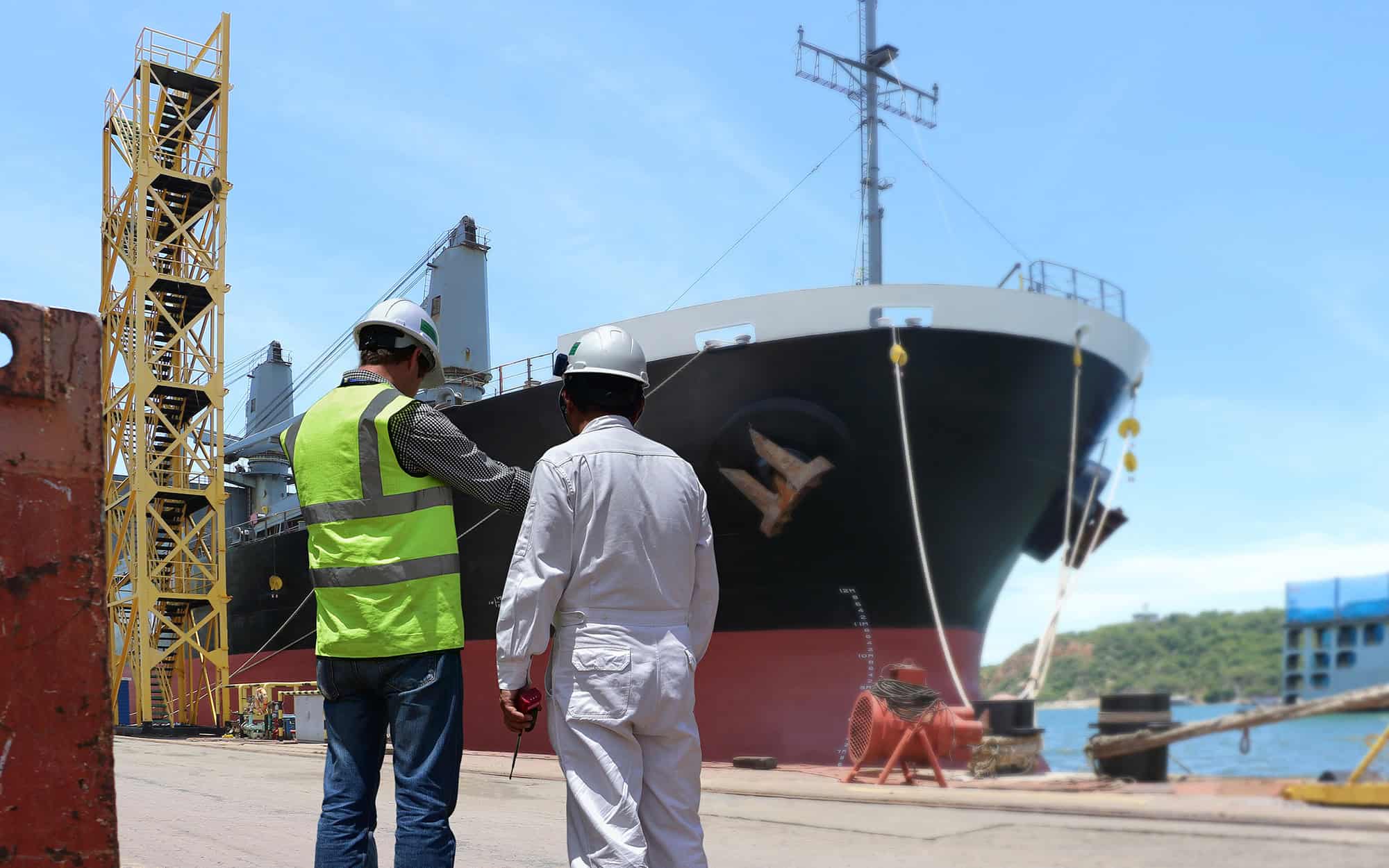
A professional naval architect is your front line of defense against compliance headaches. By blending technical expertise with a deep understanding of USCG vessel regulations, they ensure your design decisions align with safety standards and regulatory expectations from the start.

Their role includes:

  • Documentation Preparation: Crafting the detailed drawings, specifications, and reports needed for regulatory review. These aren’t just pretty schematics—they’re technical documents that prove your vessel meets legal standards.
  • Modeling and Simulation: Running advanced analyses like stability calculations, load assessments, and hydrodynamic modeling to validate performance under real-world conditions.
  • Regulatory Coordination: Acting as a liaison with authorities, answering questions, and making adjustments during the approval process to keep your project on track.

With naval architecture support baked into your project, you don’t have to worry about surprises during inspections. The architect’s job is to anticipate what regulators are looking for and design with those expectations in mind.

Struggling to navigate USCG compliance on your own? A professional naval architect can guide you through every step, bringing clarity, efficiency, and confidence to your project.

Naval Architecture Support

Top Compliance Risks and How to Avoid Them

Compliance pitfalls are common, especially for teams trying to navigate USCG standards without the right guidance. Here are some of the most frequent issues and how a professional naval architect helps avoid them:

Overlooking Stability Requirements

Stability is non-negotiable. Failing to account for how your vessel will behave in rough seas can derail approvals and pose real safety risks. Naval architects conduct detailed stability analyses to ensure your vessel stays upright and performs as intended.

Incomplete or Inaccurate Documentation

Missing technical details or submitting unclear drawings can trigger costly back-and-forth with regulators. A naval architect ensures every piece of documentation is accurate, comprehensive, and presented in a format inspectors expect.

Non-Compliant Systems Integration

HVAC, electrical, and propulsion systems must be integrated in a way that meets strict safety codes. Poor planning here often results in expensive retrofits down the line. Architects plan for compliance during the vessel’s concept stage, not after construction.

Assuming All Vessels Are Subject to the Same Rules

USCG requirements vary significantly depending on factors like passenger capacity, vessel size, and operational area. A professional knows the nuances and ensures your design is tailored to the correct regulatory category.

By addressing these risks upfront, you save time, avoid budget overruns, and create a vessel that operates without regulatory headaches.

Do All Vessels Need Architectural Compliance Support?

If you’re operating in U.S. waters, chances are your vessel falls under Coast Guard oversight. Regulations like Subchapter T for small passenger vessels and Subchapter M for towing vessels are just the start. Even commercial workboats and specialty craft often require careful review before they can legally operate.

Even small details, like the placement of fuel tanks or the size of stairwells, can trigger regulatory concerns. By involving naval architecture support early, you avoid last-minute redesigns and keep your project moving forward.

Questions to Ask When Choosing a Naval Architecture Firm

Not all firms are created equal. Before you commit, ask these key questions:

Do they have experience with vessels like mine?

Skills gained on tugboats often translate to barges, pushboats, and dredges, while expertise in party boats can apply to ferries, tour boats, and other small craft.

Do they offer both design and engineering under one roof?

Integration means fewer miscommunications and faster progress.

What software tools and certifications do they use?

Look for firms using modern tools like AutoCAD, Rhino, or GHS, and certifications such as Professional Engineer (P.E.) licensing.

How do they handle documentation and client communication?

Clear, thorough documentation speeds up USCG approvals and helps avoid surprises.

Red flags to watch for: Minimal USCG experience, vague processes, or firms that don’t collaborate with engineering teams. Remember, choosing the right partner now saves you significant stress later.
Stay Ahead of Regulations and Take the Stress Out of Compliance

USCG compliance doesn’t have to slow your project down or drain your resources.

The right professional naval architect helps you stay ahead of regulations, avoid costly pitfalls, and get your vessel approved faster.

Ready to take the stress out of compliance? Reach out to DMS today to discuss your project.

Share This Post

  • Share on Facebook
  • Share on X
  • Share on WhatsApp
  • Share on Pinterest
  • Share on LinkedIn
  • Share on Tumblr
  • Share on Vk
  • Share on Reddit
  • Share by Mail

More Like This

Facepalm

Pitfalls of a COI: Mistakes to Avoid when Getting a COI

Design Support, Support Services, USCG, Vessel Design
https://dmsonline.us/wp-content/uploads/2025/08/FacePalm.jpg 2048 2048 Nicholas Barczak /wp-content/uploads/2025/06/DMS-logo.svg Nicholas Barczak2025-09-16 07:00:002026-06-01 10:09:20Pitfalls of a COI: Mistakes to Avoid when Getting a COI
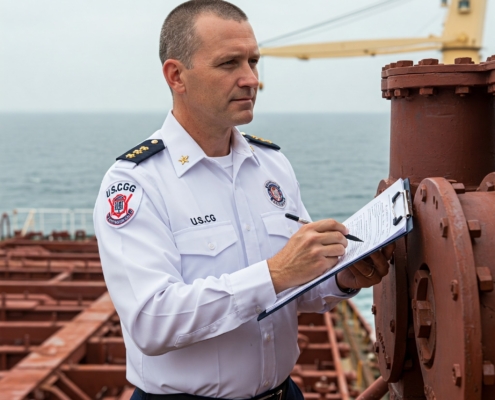
USCG Inspector

How to Get a COI: USCG Certificate of Inspection

Design Support, Legal, Support Services, USCG, Vessel Design
https://dmsonline.us/wp-content/uploads/2025/08/USCg-Inspector.jpg 2048 2048 Nicholas Barczak /wp-content/uploads/2025/06/DMS-logo.svg Nicholas Barczak2025-09-09 07:00:002026-06-01 10:09:20How to Get a COI: USCG Certificate of Inspection
050618 G 3721c 067

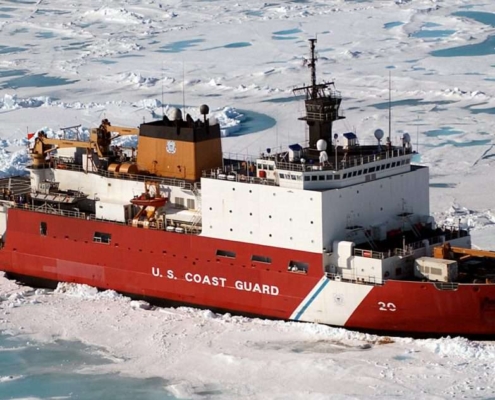
Surviving the Arctic: Polar Class Icebreakers

Design Support, Fluids, Mechanical, Propulsion, Special Purpose Mechanical Systems, Structural
https://dmsonline.us/wp-content/uploads/2023/12/USCGC_Healy_WAGB-20_north_of_Alaska-scaled-1.jpg 633 1200 Nate Riggins /wp-content/uploads/2025/06/DMS-logo.svg Nate Riggins2024-05-14 09:00:002026-06-01 10:09:22Surviving the Arctic: Polar Class Icebreakers
M19012 Clickbait 1

Which Engineer

Design Support, Engineering Business, Hiring Consultant, Integration / Engineering, Production Engineering, Project Management, Shipyard And Support Services, Support Services
https://dmsonline.us/wp-content/uploads/2020/03/M19012_ClickBait_1.png 540 960 Nate Riggins /wp-content/uploads/2025/06/DMS-logo.svg Nate Riggins2020-03-16 07:00:362026-06-01 10:09:31Which Engineer
Clickbait M18010

How Many Tons in a Pound?

Design Support, Drafting, Integration / Engineering, Production Engineering, Quality Assurance
https://dmsonline.us/wp-content/uploads/2018/10/ClickBait_M18010.jpg 720 1280 Nate Riggins /wp-content/uploads/2025/06/DMS-logo.svg Nate Riggins2018-10-22 13:00:342026-06-01 10:09:41How Many Tons in a Pound?
Previous Previous Previous Next Next Next

Categories

  • 3D Modeling
  • Arrangements
  • Auxiliary Systems
  • Command and Surveillance
  • Design Support
  • Drafting
  • Economics
  • Elastic Static Loading
  • Electrical
  • Energy Generation
  • Engineering Business
  • Equipment Integration
  • Fatigue
  • FEA / Numerical Methods
  • Fluid Dynamics
  • Fluid Loads
  • Fluids
  • Fluids Special Methods
  • Fluids Testing
  • Green Ship Design
  • Hiring Consultant
  • Hull Decks
  • Hull Structural Bulkheads
  • Hull Structure
  • Human Ergonomics
  • Hydrostatics
  • Insurance
  • Integration / Engineering
  • Legal
  • Marine Entrepreneurship
  • Masts, Kingposts, Service Platforms
  • Materials
  • Mechanical
  • Mechanical Handling Systems
  • Miscellaneous
  • Naval Architecture
  • Passenger Vessel
  • Piping
  • Production Engineering
  • Project Management
  • Propulsion
  • Propulsion Plant
  • Propulsion Units
  • Propulsor Shrouds and Ducts
  • Propulsors
  • Quality Assurance
  • Recreation
  • Regulations
  • Replenishment Systems
  • Resistance
  • Seakeeping / Fluid Structure Interaction
  • Shell and Supporting Structure
  • Ship Control Systems
  • Ship Maneuvering
  • Ship Motion Control
  • Ship Response
  • Shipyard And Support Services
  • Special Methods
  • Special Purpose Mechanical Systems
  • Special Purpose Structure
  • Stability Test
  • Structural
  • Support Services
  • Sustainable Marine Technology
  • Towing Tank
  • Transmission and Propulsor Systems
  • Unmanned Vessels
  • USCG
  • Vessel Design
  • Waterjet Propulsors

Our Socials

About Us

Ship designs tailored to your mission. Engineering that advances profits.

Dms Logo Negatives

What We Do

Vessel Design

Naval Architecture

Advanced Analysis

Marine Systems

Civil Engineering

Contact Us

(616) 504-1619

[email protected]

Website by Abstrakt Marketing Group ©
  • Privacy Policy
  • Sitemap
Scroll to top Scroll to top Scroll to top

This site uses cookies. By continuing to browse the site, you are agreeing to our use of cookies.

AcceptLearn more

Cookie and Privacy Settings


How we use cookies

We may request cookies to be set on your device. We use cookies to let us know when you visit our websites, how you interact with us, to enrich your user experience, and to customize your relationship with our website.

Click on the different category headings to find out more. You can also change some of your preferences. Note that blocking some types of cookies may impact your experience on our websites and the services we are able to offer.

Essential Website Cookies

These cookies are strictly necessary to provide you with services available through our website and to use some of its features.

Because these cookies are strictly necessary to deliver the website, refusing them will have impact how our site functions. You always can block or delete cookies by changing your browser settings and force blocking all cookies on this website. But this will always prompt you to accept/refuse cookies when revisiting our site.

We fully respect if you want to refuse cookies but to avoid asking you again and again kindly allow us to store a cookie for that. You are free to opt out any time or opt in for other cookies to get a better experience. If you refuse cookies we will remove all set cookies in our domain.

We provide you with a list of stored cookies on your computer in our domain so you can check what we stored. Due to security reasons we are not able to show or modify cookies from other domains. You can check these in your browser security settings.

Other external services

We also use different external services like Google Webfonts, Google Maps, and external Video providers. Since these providers may collect personal data like your IP address we allow you to block them here. Please be aware that this might heavily reduce the functionality and appearance of our site. Changes will take effect once you reload the page.

Google Webfont Settings:

Google Map Settings:

Google reCaptcha Settings:

Vimeo and Youtube video embeds:

Accept settingsHide notification only