For many commercial vessels, stability testing isn’t optional—it’s required.
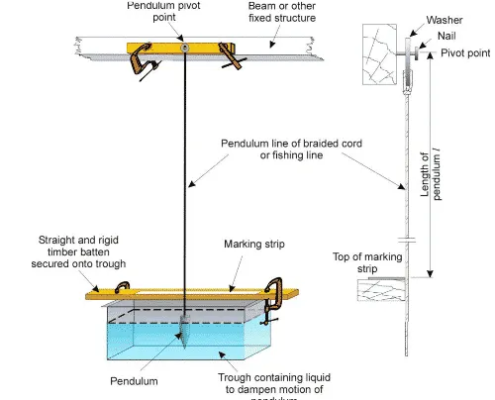
Under U.S. Coast Guard regulations, vessels that carry passengers (Subchapter T, Subchapter H, Subchapter K, etc.) must demonstrate compliance with specific stability criteria. This often includes an inclining experiment, followed by reviewed stability documentation. Alternatively, we use a simplified stability test, depending on your circumstances.
USCG compliance depends heavily on stability analysis and testing because stability is directly tied to life safety. Inspectors need clear, defensible evidence that a vessel can safely operate within its intended service conditions.
Failure to complete required stability tests can result in:
- Delayed Certificates of Inspection (COIs)
- Restricted operating limits
- Costly redesigns or retrofits
- Failed inspections and rework
Planning stability tests early in the project timeline helps avoid these setbacks and keeps approval processes moving smoothly.