A hybrid-electric vessel combines traditional engines with electric propulsion components. Instead of relying entirely on diesel or gas, the system uses batteries, generators, and control software to optimize power use. Think of it as blending the reliability of a conventional engine with the efficiency and quiet operation of electric power.
There are several configurations:
- Diesel-electric systems, where a diesel engine generates power for electric motors.
- Parallel hybrid setups, which let engines and electric motors share propulsion duties.
- Full-electric vessels, which operate entirely on stored battery power for short runs.
The goal isn’t always full electrification: many operators benefit most from a balanced hybrid setup. By switching between power sources, you reduce fuel burn, cut emissions, and extend the lifespan of your mechanical systems.
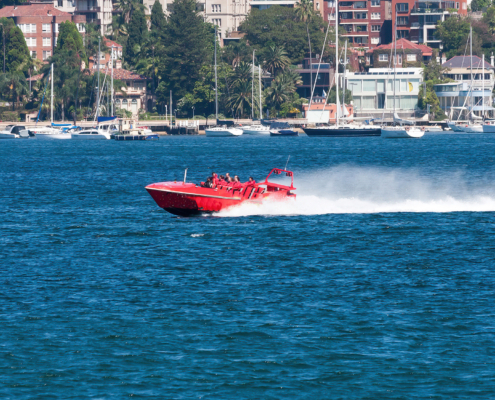
For smaller commercial vessels, ferries, and tour boats, these improvements can translate into real business advantages: lower operating costs, fewer maintenance headaches, and a greener image that resonates with customers and regulators alike.
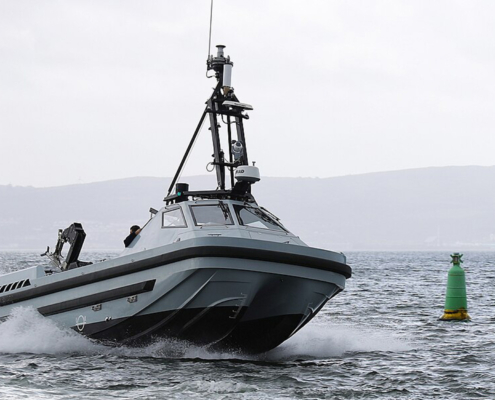 LPhot Stevie Burke/MOD