Hybrid Electric Boats: The Prius of the Sea?
Hybrid electric boats are often compared to the Prius: quieter, cleaner, and smarter about fuel. But are they just a trend—or a meaningful shift in how commercial vessels operate?
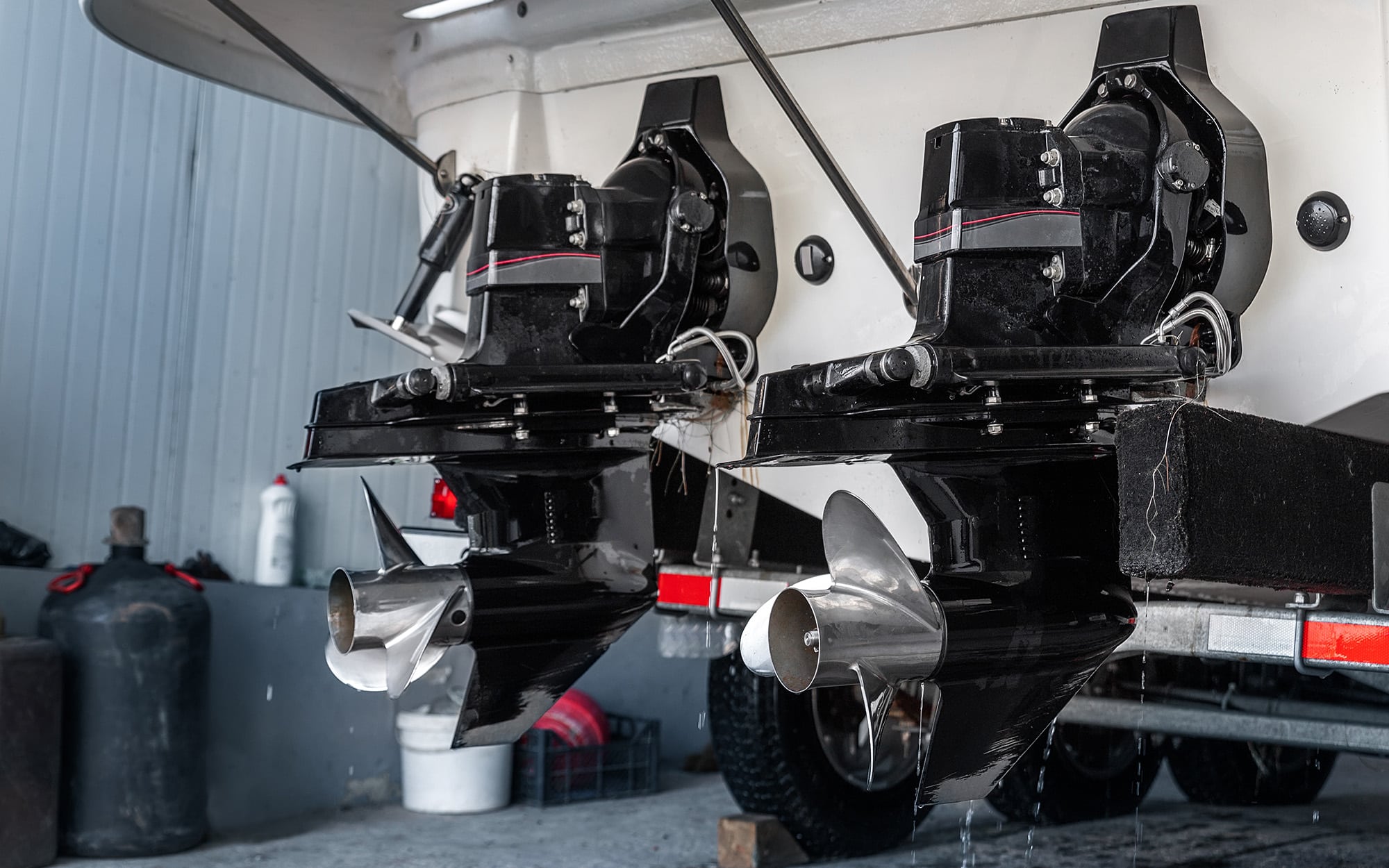

Hybrid electric boats are often compared to the Prius: quieter, cleaner, and smarter about fuel. But are they just a trend—or a meaningful shift in how commercial vessels operate?
For operators evaluating new builds or retrofits, the real question isn’t whether hybrid sounds good. It’s whether hybrid electric boats deliver practical performance, cost control, and long-term reliability in real-world marine conditions.
At its core, a hybrid system combines two power sources—typically a diesel engine and an electric motor—working together through a shared drivetrain and battery system.
Unlike a fully electric vessel, hybrid electric boats still rely on diesel for range and reliability. The electric side provides flexibility:
The goal isn’t to eliminate fuel entirely. It’s to use it more intelligently.
The comparison isn’t just marketing language. Like hybrid cars, hybrid electric boats aim to reduce fuel burn, minimize emissions, and improve efficiency without sacrificing operational flexibility.
The similarities include:
But marine applications are more complex than highway driving. Water resistance, load variability, and mission-specific requirements make marine hybrid systems more engineering-intensive than automotive ones.
For commercial vessels especially, the decision must be grounded in performance modeling—not analogy.
Hybrid systems aren’t equally beneficial across all vessel types. They shine in specific operational profiles.
Frequent stop-and-go routes with extended low-speed maneuvering are ideal for hybrid systems. Electric operation during docking reduces noise and emissions near populated areas.
Tugs, workboats, and utility craft often operate under variable loads. Hybrid systems allow engines to run at more efficient power levels while batteries absorb peak demand.
Low acoustic signatures matter. Electric operation can significantly reduce underwater noise for research boats during data collection.
Short-distance runs with predictable duty cycles make battery-assisted propulsion practical and cost-effective.
In these cases, hybrid electric boats can provide measurable operational advantages.
This is where many conversations stall.
Hybrid systems increase upfront capital costs. Batteries, power electronics, integration engineering, and control systems all add complexity. For commercial vessels, that means a higher initial build price.
The savings show up over time:
However, savings depend heavily on how the vessel operates. A ferry making dozens of daily stops will see different returns than a long-range cargo vessel running at constant speed.
Hybrid only delivers strong ROI when the duty cycle supports it.
Fuel efficiency often dominates the discussion, but hybrid electric boats offer other tangible benefits.
For certain commercial vessels, that redundancy enhances safety margins.
It’s important to avoid overpromising.
Hybrid electric boats:
In fact, hybrid systems increase design complexity. Weight distribution, cooling systems, electrical routing, and battery placement must be carefully modeled.
Improper integration can reduce stability margins, limit space efficiency, or complicate future upgrades.
That’s why hybrid propulsion decisions must be made early in the design phase—not added as an afterthought.
Regulatory pressure continues to grow in ports and emission-controlled zones. Environmental performance is becoming a competitive advantage.
Hybrid electric boats provide a practical bridge between traditional diesel propulsion and fully alternative systems like hydrogen or ammonia, which still face infrastructure limitations.
For many commercial vessels, hybrids are not the final destination. It’s the transitional step that delivers measurable improvements today while keeping operators adaptable for tomorrow.
Before committing to a hybrid system, operators should evaluate:
A well-designed hybrid system is integrated holistically. Hull form, propulsion layout, and electrical systems must work together.
This is not just a machinery decision. It’s a vessel design decision.
Considering whether hybrid electric boats make sense for your operation? Our team at DMS evaluates propulsion strategies based on real-world duty cycles, not trends. Explore how we approach vessel design with performance and lifecycle value in mind.
In some ways, yes. They offer smarter fuel usage, quieter operation, and reduced emissions without abandoning proven diesel technology.
But unlike a car purchase, marine propulsion decisions carry higher stakes. Vessel size, mission profile, regulatory requirements, and financial modeling all influence the outcome.
For the right vessel type—especially passenger ferries, harbor craft, and specialized commercial vessels—hybrid electric boats can deliver strong long-term value.
For others, traditional propulsion may remain the more efficient option.
The key is alignment between technology and mission.
Hybrid propulsion is neither a gimmick nor a universal solution. It’s a tool. And like any tool, it works best when applied in the right context.
Before labeling hybrid as the future—or dismissing it as unnecessary—it’s worth conducting a disciplined engineering evaluation.
With proper modeling, operators can quantify fuel savings, assess payback periods, and determine whether hybrid propulsion strengthens operational performance or simply adds complexity.
If you’re evaluating hybrid electric boats for a new build or retrofit, thoughtful integration is critical. The team at DMS can help you assess whether hybrid propulsion supports your operational goals, compliance needs, and long-term financial strategy. Reach out today to start the conversation about smarter propulsion for your commercial vessels.
 https://dmsonline.us/wp-content/uploads/2022/09/ClickBait_2.89.9-scaled-1.jpg
675
1200
Nate Riggins
/wp-content/uploads/2025/06/DMS-logo.svg
Nate Riggins2023-04-03 08:00:002025-08-15 10:36:17Electric Yacht Charging
https://dmsonline.us/wp-content/uploads/2022/09/ClickBait_2.89.9-scaled-1.jpg
675
1200
Nate Riggins
/wp-content/uploads/2025/06/DMS-logo.svg
Nate Riggins2023-04-03 08:00:002025-08-15 10:36:17Electric Yacht Charging https://dmsonline.us/wp-content/uploads/2022/09/Lithium-Chemistries-Spider-Chart.webp
513
589
Nate Riggins
/wp-content/uploads/2025/06/DMS-logo.svg
Nate Riggins2023-03-06 08:00:002025-08-15 10:30:12Batteries for Electric Propulsion
https://dmsonline.us/wp-content/uploads/2022/09/Lithium-Chemistries-Spider-Chart.webp
513
589
Nate Riggins
/wp-content/uploads/2025/06/DMS-logo.svg
Nate Riggins2023-03-06 08:00:002025-08-15 10:30:12Batteries for Electric Propulsion https://dmsonline.us/wp-content/uploads/2022/09/Slide21-Clickbait-scaled-1.jpg
675
1200
Nate Riggins
/wp-content/uploads/2025/06/DMS-logo.svg
Nate Riggins2023-01-30 08:00:002026-04-01 17:35:22Electric Yacht System Design
https://dmsonline.us/wp-content/uploads/2022/09/Slide21-Clickbait-scaled-1.jpg
675
1200
Nate Riggins
/wp-content/uploads/2025/06/DMS-logo.svg
Nate Riggins2023-01-30 08:00:002026-04-01 17:35:22Electric Yacht System Design https://dmsonline.us/wp-content/uploads/2022/09/M22006-ClickBait-scaled-1.jpg
675
1200
Nate Riggins
/wp-content/uploads/2025/06/DMS-logo.svg
Nate Riggins2022-12-05 08:00:002025-08-15 10:38:53Emergency Electric Propulsion
https://dmsonline.us/wp-content/uploads/2022/09/M22006-ClickBait-scaled-1.jpg
675
1200
Nate Riggins
/wp-content/uploads/2025/06/DMS-logo.svg
Nate Riggins2022-12-05 08:00:002025-08-15 10:38:53Emergency Electric Propulsion https://dmsonline.us/wp-content/uploads/2022/09/ClickBait_2.74.6-scaled-1.jpg
675
1200
Nate Riggins
/wp-content/uploads/2025/06/DMS-logo.svg
Nate Riggins2022-10-31 06:00:002025-08-15 10:50:455 Myths with Electric Propulsion
https://dmsonline.us/wp-content/uploads/2022/09/ClickBait_2.74.6-scaled-1.jpg
675
1200
Nate Riggins
/wp-content/uploads/2025/06/DMS-logo.svg
Nate Riggins2022-10-31 06:00:002025-08-15 10:50:455 Myths with Electric Propulsion