Datawave Marine Solutions
  • Dms Logo
  • Services
    • Vessel Design
      • Concept Design
    • Naval Architecture
    • Advanced Analysis
    • Marine Systems
    • Civil Engineering
  • Marine Operations
    • Passenger Vessels
    • Work Boats
    • Research Boats
    • Shipyards
    • Marine Startups
    • Waterway Maintenance
    • Autonomous Vessels
  • Portfolio
  • About Us
  • Resources
    • Blog
    • GHS Tutorials
    • FAQs
  • Contact
  • Menu Menu

The Top 5 Mistakes New Ship Operators Make and How to Avoid Them

Launching a vessel takes more than a solid business plan: it requires technical foresight, regulatory knowledge, and a clear understanding of how ships actually perform in the real world.

Many new ship operators underestimate just how complex that balance can be. Here’s how to sidestep the most common pitfalls and start your maritime venture on the right course.

Mistake #1: Underestimating Compliance and Certification

One of the biggest surprises for first-time operators is how early compliance shapes vessel design and operation. The U.S. Coast Guard (USCG) doesn’t just inspect your vessel after it’s built, it influences every major design decision from the start.

Every ship must meet safety and construction standards outlined in U.S. maritime law. For many commercial operators, that includes a Certificate of Inspection (COI) under Subchapter T for small passenger vessels or Subchapter M for towing vessels. These requirements dictate everything from hull structure to lifesaving equipment.

Where Operators Go Wrong

Many new owners begin construction or purchase modifications before confirming design compliance. This can lead to failed inspections or mandatory rework that costs tens of thousands of dollars.

How to Avoid It

Plan compliance into your timeline early. Work with a naval architect or marine engineer familiar with your vessel class to handle documentation, stability testing, and system verification before fabrication begins.  They understand where regulations impose hard limits, and where they allow flexibility for creative ship designs. A little foresight here prevents major setbacks later.

Mistake #2: Skipping Early Design Consultation

It’s tempting to assume that any shipyard can “figure it out” once you explain your vision, but that assumption can sink a project before it ever leaves drydock.

Early design input from a qualified naval architect saves time, money, and frustration. These professionals understand vessel performance, construction methods, and regulation intersect. They translate your operational goals (like passenger count, cargo weight, or operating region) into technical designs that are both efficient and compliant.

Why it Matters

Even small design changes can have major ripple effects. Moving a fuel tank, adjusting deck layout, or changing engine type can all alter vessel balance and performance. Without early oversight, these “minor” adjustments can trigger redesigns or structural failures.

The Expert Advantage

Seasoned naval architects don’t just draft plans: they see the bigger picture.  Something simple like moving a fuel tank:  they consider the ship structure, ease of access to the piping for maintenance, vessel stability, construction methods, and regulatory requirements.  All of this goes into ship design. Naval architects analyze your goals, budget, and regulations to recommend a vessel design that balances safety, profitability, and performance. That’s the kind of naval architect advice that prevents problems before they start.

Mistake #3: Choosing the Wrong Vessel for the Mission

This might sound obvious, but it’s one of the most common mistakes new ship operators make. The used vessel market can be full of bargains, but the wrong ship can turn into a floating money pit.

A vessel designed for sightseeing might not handle the demands of towing or cargo transport. Likewise, a repurposed workboat may lack the stability and passenger capacity required for commercial excursions.

What to Check Before Buying or Retrofitting

  • Hull form and displacement: Can it safely support your intended load?
  • Draft requirements: Will it operate in your local waterways without grounding?
  • Power and propulsion: Is the system sized appropriately for your mission?
  • Regulatory requirements:  Which systems do you need to modify to meet USCG regulations?

The Cost of a Bad Fit

You may be forced to completely rip out a piping system and reinstall one that meets the regulations.  All from something minor like the wrong material for the pipes.  Costs for bad fit include expensive structural modifications, wasted fuel, or limited operating licenses. That’s why it’s critical to match your ship’s capabilities to your mission before purchase or refit. Your naval architect can help by conducting a pre-purchase survey.  Think of it as a long-term vessel ownership tip: spend a little extra on verification now to avoid paying double later.

Mistake #4: Overcomplicating Systems and Maintenance

When building a new vessel, it’s easy to fall into the trap of “more technology equals better performance.” But advanced systems can backfire if your crew doesn’t have the training or support to maintain them.

How to Stay Efficient

Start simple. Choose reliable, well-understood systems that match your crew’s capabilities. Build efficiency through thoughtful design, not unnecessary complexity.

This principle applies to every vessel type from workboats to ferries. A ship that’s easy to maintain will always outperform one that’s technically impressive but operationally fragile.

Avoiding early missteps takes planning, not guesswork. Learn how our vessel design services help new operators simplify systems, plan for compliance, and design smarter ships from the start.

Explore Design Services

Mistake #5: Ignoring Operational Costs in Early Planning

When budgeting for a vessel, most operators focus on build costs but operational expenses are where profits are won or lost.

Fuel efficiency, maintenance frequency, and crew size all tie directly to your bottom line. A design that’s a little more efficient or easier to service can save thousands each year. Common oversights include:

  • Underestimating fuel use: Small changes in hull drag or engine sizing have big cost impacts.
  • Skipping maintenance planning: Hard-to-access systems mean longer repair times.
  • Ignoring redundancy: A single-point failure can halt operations completely.

To avoid surprises, incorporate ship startup guide principles into your design phase. Model your vessel’s performance and operational cycles with realistic cost assumptions. Even a basic simulation can reveal where to trim expenses or invest strategically for better returns.
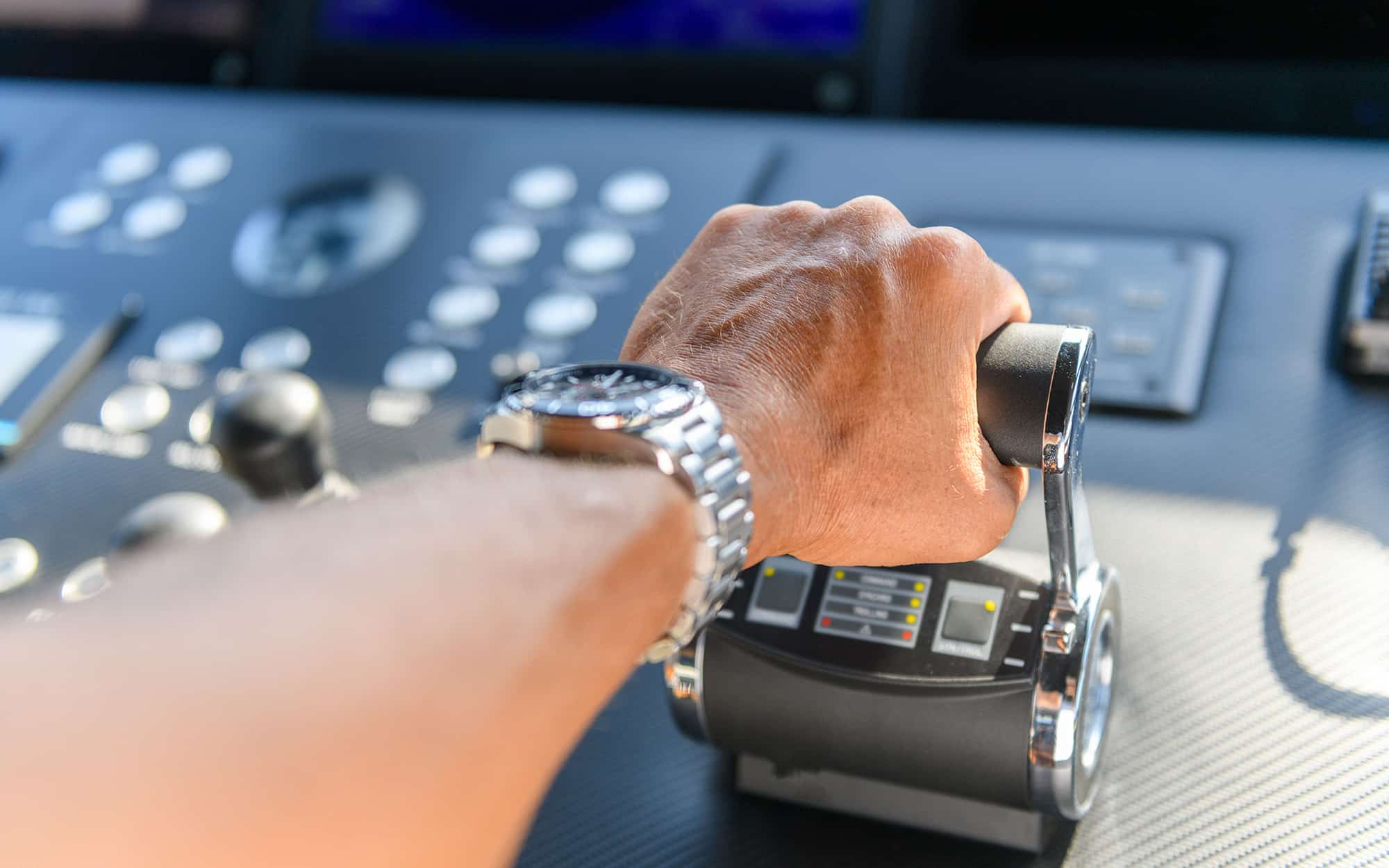
Bringing It All Together: Planning for Success

The maritime industry rewards foresight and punishes shortcuts. Most mistakes new ship operators make stem from rushing into action before gathering the right expertise. But when you take the time to consult early, align design with mission goals, and plan for compliance, you set your operation up for long-term success.

Your first vessel is a foundation for your business’s success. With the right partners and planning, you can build a ship that performs reliably, meets regulations, and grows alongside your business.

Make Informed Decisions From Day One With DMS

The right design partner can help you navigate compliance, avoid costly design errors, and make informed decisions from day one. Whether you’re starting a passenger service, a workboat fleet, or a specialty operation, reach out to our team to get expert guidance tailored to your goals.

Share This Post

  • Share on Facebook
  • Share on X
  • Share on WhatsApp
  • Share on Pinterest
  • Share on LinkedIn
  • Share on Tumblr
  • Share on Vk
  • Share on Reddit
  • Share by Mail

More Like This

Seakeeper Clickbait

How a Seakeeper Works: Gyro Stabilization Explained

Fluid Dynamics, Fluid Loads, Fluids, Miscellaneous, Naval Architecture, Ship Motion Control
https://dmsonline.us/wp-content/uploads/2026/03/Clickbait.jpg 720 1280 Nicholas Barczak /wp-content/uploads/2025/06/DMS-logo.svg Nicholas Barczak2026-04-07 07:00:002026-06-01 10:09:14How a Seakeeper Works: Gyro Stabilization Explained
How to Buy a Towing Tank

How to Buy a Towing Tank: Purchase and Design Guide

Fluids, Fluids Special Methods, Miscellaneous, Towing Tank
https://dmsonline.us/wp-content/uploads/2025/08/Clickbait.jpg 720 1280 Nicholas Barczak /wp-content/uploads/2025/06/DMS-logo.svg Nicholas Barczak2025-11-11 07:00:002026-06-01 10:09:18How to Buy a Towing Tank: Purchase and Design Guide
Large Oil Barge In A River

Marine Highways: Short Sea Shipping

Economics, Integration / Engineering, Miscellaneous, Support Services
https://dmsonline.us/wp-content/uploads/2025/07/Large-Oil-Barge-in-a-River.jpg 1250 2000 Nicholas Barczak /wp-content/uploads/2025/06/DMS-logo.svg Nicholas Barczak2025-08-22 14:44:512026-06-01 10:09:21Marine Highways: Short Sea Shipping
M22008 Clickbait

Electric Yacht Charging

Electrical, Miscellaneous
https://dmsonline.us/wp-content/uploads/2022/09/ClickBait_2.89.9-scaled-1.jpg 675 1200 Nate Riggins /wp-content/uploads/2025/06/DMS-logo.svg Nate Riggins2023-04-03 08:00:002025-08-15 10:36:17Electric Yacht Charging
Lithium Chemistries Spider Chart

Batteries for Electric Propulsion

Electrical, Miscellaneous
https://dmsonline.us/wp-content/uploads/2022/09/Lithium-Chemistries-Spider-Chart.webp 513 589 Nate Riggins /wp-content/uploads/2025/06/DMS-logo.svg Nate Riggins2023-03-06 08:00:002025-08-15 10:30:12Batteries for Electric Propulsion
Slide21 Clickbait

Electric Yacht System Design

Electrical, Miscellaneous
https://dmsonline.us/wp-content/uploads/2022/09/Slide21-Clickbait-scaled-1.jpg 675 1200 Nate Riggins /wp-content/uploads/2025/06/DMS-logo.svg Nate Riggins2023-01-30 08:00:002026-04-01 17:35:22Electric Yacht System Design
M22006 Clickbait

Emergency Electric Propulsion

Electrical, Miscellaneous
https://dmsonline.us/wp-content/uploads/2022/09/M22006-ClickBait-scaled-1.jpg 675 1200 Nate Riggins /wp-content/uploads/2025/06/DMS-logo.svg Nate Riggins2022-12-05 08:00:002025-08-15 10:38:53Emergency Electric Propulsion
Ever Given Maneuver Options

Ever Given: Maneuvering Options

Miscellaneous, Ship Maneuvering
https://dmsonline.us/wp-content/uploads/2022/04/ClickBait.jpg 720 1280 Nate Riggins /wp-content/uploads/2025/06/DMS-logo.svg Nate Riggins2022-04-04 07:00:002025-08-15 13:08:57Ever Given: Maneuvering Options
Ever Given Repaired

Ever Given: What We Don’t Know

Command and Surveillance, Fluid Dynamics, Miscellaneous, Ship Maneuvering, Ship Motion Control, Ship Response
https://dmsonline.us/wp-content/uploads/2022/03/Ever-Given-repaired.webp 667 1000 Nate Riggins /wp-content/uploads/2025/06/DMS-logo.svg Nate Riggins2022-03-21 08:00:002025-07-23 09:49:47Ever Given: What We Don’t Know
Previous Previous Previous Next Next Next

Categories

  • 3D Modeling
  • Arrangements
  • Auxiliary Systems
  • Command and Surveillance
  • Design Support
  • Drafting
  • Economics
  • Elastic Static Loading
  • Electrical
  • Energy Generation
  • Engineering Business
  • Equipment Integration
  • Fatigue
  • FEA / Numerical Methods
  • Fluid Dynamics
  • Fluid Loads
  • Fluids
  • Fluids Special Methods
  • Fluids Testing
  • Green Ship Design
  • Hiring Consultant
  • Hull Decks
  • Hull Structural Bulkheads
  • Hull Structure
  • Human Ergonomics
  • Hydrostatics
  • Insurance
  • Integration / Engineering
  • Legal
  • Marine Entrepreneurship
  • Masts, Kingposts, Service Platforms
  • Materials
  • Mechanical
  • Mechanical Handling Systems
  • Miscellaneous
  • Naval Architecture
  • Passenger Vessel
  • Piping
  • Production Engineering
  • Project Management
  • Propulsion
  • Propulsion Plant
  • Propulsion Units
  • Propulsor Shrouds and Ducts
  • Propulsors
  • Quality Assurance
  • Recreation
  • Regulations
  • Replenishment Systems
  • Resistance
  • Seakeeping / Fluid Structure Interaction
  • Shell and Supporting Structure
  • Ship Control Systems
  • Ship Maneuvering
  • Ship Motion Control
  • Ship Response
  • Shipyard And Support Services
  • Special Methods
  • Special Purpose Mechanical Systems
  • Special Purpose Structure
  • Stability Test
  • Structural
  • Support Services
  • Sustainable Marine Technology
  • Towing Tank
  • Transmission and Propulsor Systems
  • Unmanned Vessels
  • USCG
  • Vessel Design
  • Waterjet Propulsors

Our Socials

About Us

Ship designs tailored to your mission. Engineering that advances profits.

Dms Logo Negatives

What We Do

Vessel Design

Naval Architecture

Advanced Analysis

Marine Systems

Civil Engineering

Contact Us

(616) 504-1619

[email protected]

Website by Abstrakt Marketing Group ©
  • Privacy Policy
  • Sitemap
Scroll to top Scroll to top Scroll to top

This site uses cookies. By continuing to browse the site, you are agreeing to our use of cookies.

AcceptLearn more

Cookie and Privacy Settings


How we use cookies

We may request cookies to be set on your device. We use cookies to let us know when you visit our websites, how you interact with us, to enrich your user experience, and to customize your relationship with our website.

Click on the different category headings to find out more. You can also change some of your preferences. Note that blocking some types of cookies may impact your experience on our websites and the services we are able to offer.

Essential Website Cookies

These cookies are strictly necessary to provide you with services available through our website and to use some of its features.

Because these cookies are strictly necessary to deliver the website, refusing them will have impact how our site functions. You always can block or delete cookies by changing your browser settings and force blocking all cookies on this website. But this will always prompt you to accept/refuse cookies when revisiting our site.

We fully respect if you want to refuse cookies but to avoid asking you again and again kindly allow us to store a cookie for that. You are free to opt out any time or opt in for other cookies to get a better experience. If you refuse cookies we will remove all set cookies in our domain.

We provide you with a list of stored cookies on your computer in our domain so you can check what we stored. Due to security reasons we are not able to show or modify cookies from other domains. You can check these in your browser security settings.

Other external services

We also use different external services like Google Webfonts, Google Maps, and external Video providers. Since these providers may collect personal data like your IP address we allow you to block them here. Please be aware that this might heavily reduce the functionality and appearance of our site. Changes will take effect once you reload the page.

Google Webfont Settings:

Google Map Settings:

Google reCaptcha Settings:

Vimeo and Youtube video embeds:

Accept settingsHide notification only